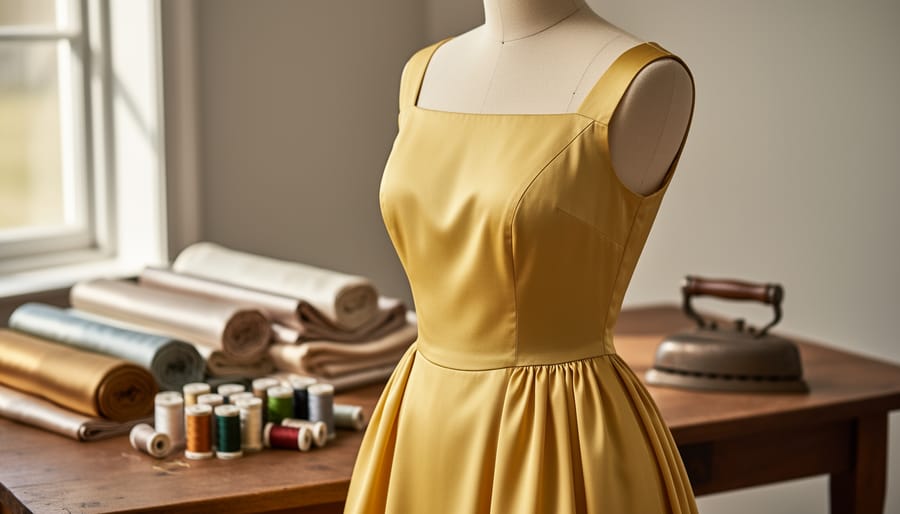
Responsible online-casino play follows the same discipline you’d apply when curating a fabric stash or budgeting for a major sewing project: set clear limits, track what you spend, and walk away when you’ve reached your threshold. Just as we advocate for sustainable practices in fashion creation here at moonbet co mindful recreation requires the same intentionality and self-awareness that transforms a pile of impulse-bought remnants into a carefully planned wardrobe.
The parallel isn’t as strange as it first sounds. Both sewing and gaming are discretionary activities that can bring genuine pleasure when practiced with intention, but both carry the risk of overconsumption when discipline slips. I learned this firsthand last winter when I found myself with seventeen meters of Liberty lawn I couldn’t remember ordering, purchased during late-night browsing sessions that had become a nightly habit rather than a conscious choice.
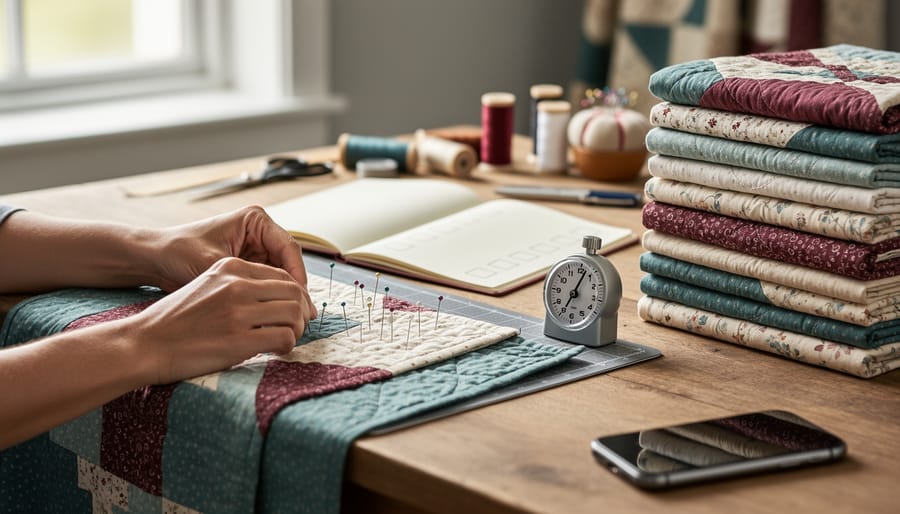
The strategies that helped me reclaim control over my fabric spending translate directly to any hobby where resources and time are at stake. Establishing a monthly budget, whether for quilting cotton from Canadian mills or entertainment dollars for online platforms, creates a concrete boundary. Tracking purchases or gameplay sessions in a simple notebook forces you to confront patterns you might otherwise rationalize away. Setting timers prevents the “just one more round” mentality that turns a pleasant half-hour into an unplanned evening.
What matters most is treating these boundaries as non-negotiable design elements rather than loose guidelines. You wouldn’t skip interfacing on a structured jacket because you felt lucky about the drape. Apply that same respect for process to recreational choices, and you protect both your resources and your relationship with activities meant to enrich your life rather than deplete it.
The Core Principles: What Both Worlds Share
At first glance, sewing a dress and playing blackjack have little in common. But step back and the patterns emerge. Both demand that you make decisions with incomplete information, will that bold floral print translate from bolt to garment the way you imagine? Will the next card improve your hand? You commit resources (fabric, thread, money, time) before you know the outcome. You experience the rush when it works and the sting when it doesn’t.
Both activities ask you to allocate finite resources intentionally. When I buy three meters of Japanese cotton at $28 per meter, I’m investing in a vision that might not materialize. The fabric could be wrong for the pattern. My skill level might not match my ambition. I could lose interest halfway through. Similarly, setting aside money for an evening of online entertainment carries uncertainty. The difference is that sewing produces something tangible even when the project goes sideways, you learn, you troubleshoot, you sometimes salvage. Gaming offers the experience itself as the product.
Time investment follows the same logic. A complicated coat pattern might consume forty hours across several weeks. A gaming session might last two hours on a Friday night. Neither is inherently problematic, until it crowds out sleep, relationships, or obligations. The sewing community talks constantly about “stash management” and “mindful fabric acquisition” because we’ve learned that unchecked enthusiasm leads to closets stuffed with unrealized potential. That same discipline, setting limits, staying present, treating the activity as enrichment rather than escape, applies to any pursuit that brings pleasure but carries risk of excess.
Setting a Budget: Fabric Stash vs. Bankroll Management
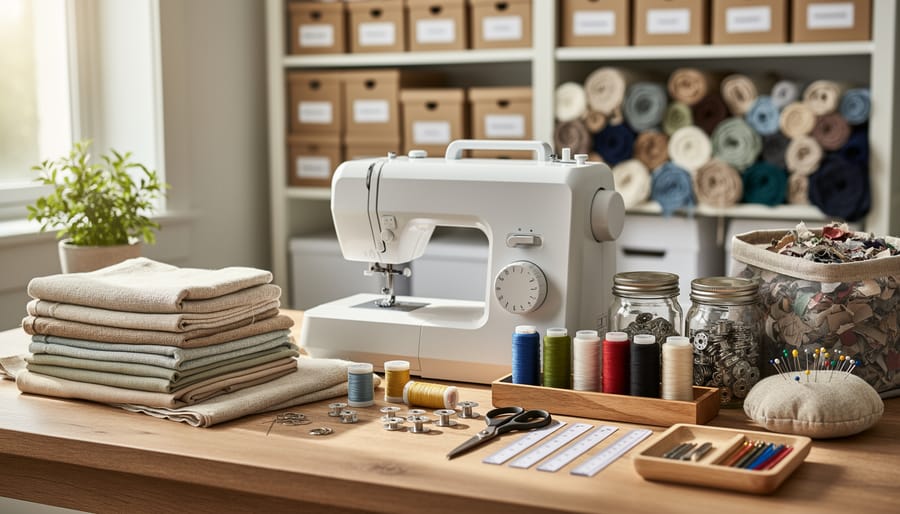
I learned budget discipline the hard way during my first year of serious sewing, when I’d wander into every shop where I could buy fabric in Canada and emerge with bags I couldn’t justify. My credit card statements told a story I didn’t want to read. That wake-up call taught me what responsible crafters and responsible casino players both need to accept: if you don’t decide what you can afford before you start, the decision gets made for you, usually badly.
Setting a monthly limit changed everything. I allocated $150 for fabric and notions, treated it as my “creative recreation fund,” and stopped when I hit it. Some months I’d score an incredible wool blend and use the whole budget on one piece. Other months I’d stretch it across three smaller projects. The point wasn’t deprivation, it was clarity. I knew exactly what I could spend without guilt, without hiding receipts, without that stomach-drop when the bill arrived.
This mirrors bankroll management in online casino play more directly than you might think. Experienced players set aside a specific amount they can afford to lose, genuinely lose, as in never see again, before they place a single bet. That money comes from discretionary income, the same pool that covers concert tickets or nice dinners out. It’s entertainment expense, not rent money or grocery funds. Once it’s gone, the session ends.
Here’s what realistic budget-setting looks like in both contexts:
- Determine your true discretionary income after all necessities are covered
- Allocate 5-10% monthly to recreational spending (around $100, $200 for many households)
- Divide this amount among your hobbies, don’t let one consume everything
- Track every purchase or wager in real time using an app or simple spreadsheet
- Review spending weekly to catch creep before it becomes a problem
The emotional triggers are nearly identical. I’d overspend on fabric when stressed, chasing the dopamine hit of “retail therapy.” Casino players chase losses for the same chemical reward, trying to manufacture the feeling of winning. We both tell ourselves stories: “This fabric is on sale, I’m actually saving money” sounds suspiciously like “I’m due for a win, I just need one more hand.” Recognizing these narratives as they happen, before you click purchase or place the bet, is where real discipline lives.
Time Boundaries: When Your Hobby Becomes All-Consuming

I learned this lesson the hard way during a coat project in February 2024. What started as a focused weekend build stretched into three consecutive Saturdays, then weeknights until 2 a.m., then bleary Sunday mornings trying to fix mistakes I’d made while exhausted. My partner finally asked if I’d eaten that day. I hadn’t. The coat turned out beautiful, but I’d neglected meals, skipped a friend’s birthday dinner, and arrived at work foggy-minded for a week.
That’s when I started treating sewing time like any other appointment. I block two-hour sessions on weekday evenings and four-hour stretches on weekend afternoons. When the timer goes off, I finish the seam I’m on and step away. It felt artificial at first, almost like I was shortchanging my creativity. But those boundaries actually deepened my enjoyment. I make fewer cutting errors, my stitching stays consistent, and I return to each session excited rather than depleted.
The same structure works for online casino play. Setting a session timer before you start, whether thirty minutes or two hours, prevents the time distortion that happens when you’re absorbed in any engaging activity. Most platforms now offer built-in timers and session reminders precisely because this kind of absorption is common. When the alert sounds, logging off becomes a pre-decided act rather than a willpower battle in the moment.
Time boundaries aren’t restrictions. They’re the framework that lets you come back tomorrow still enthused. Whether you’re sourcing reclaimed fabric resources for your next project or settling in for an evening of recreation, knowing you’ll stop at a designated point keeps the activity a joy rather than an obsession. Balance doesn’t diminish passion. It sustains it.
Tracking Your Investment: Pattern Hoarding and Play History
I keep a running spreadsheet of every metre of fabric I own, colour-coded by fibre content and sorted by purchase date. It sounds obsessive until you realize I once bought the same Liberty lawn twice in one month because I’d forgotten I already had it tucked in a bin. That £40 mistake taught me that visibility prevents waste, and the same principle applies whether you’re managing a fabric stash or monitoring your online casino activity.
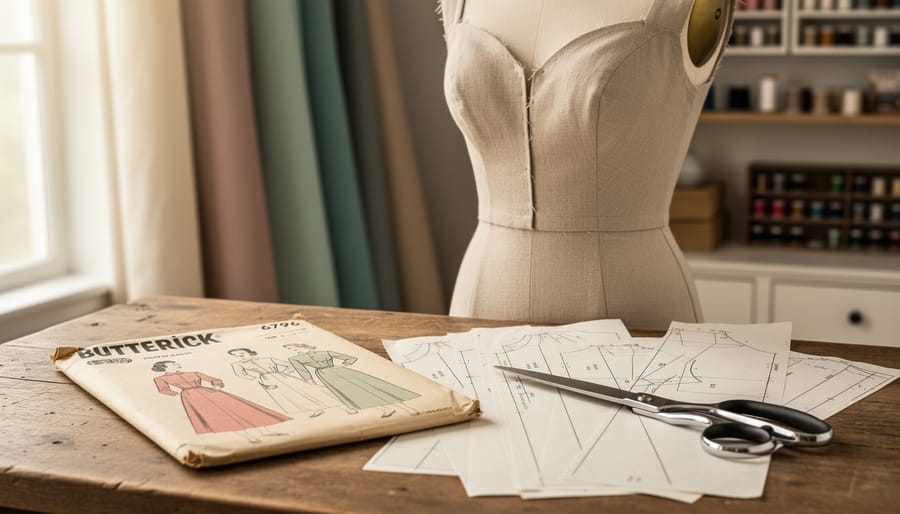
Tracking transforms vague awareness into concrete data. When you choose vintage patterns and log each purchase alongside the fabric and notions you’ve acquired, patterns emerge. You might discover you buy double the fabric during seasonal sales, or that you gravitate toward projects you never actually start. Similarly, reviewing casino deposit history and session logs reveals your true spending rhythm, not the optimistic version you tell yourself. Both inventories answer the same question: where is my money actually going?
For sewists, a simple tracking system might include purchase date, fabric type, metreage, cost per metre, intended project, and status (stashed, in progress, completed). Canadian fabric pricing can vary wildly, $8/metre cotton from Fabricville versus $35/metre from specialty shops, so tracking cost per project helps you identify genuine value sources and adjust future budgets accordingly. When you see you’ve spent $600 on fabric in three months but finished two garments, the math clarifies priorities.
| Activity | What to Track | Useful Tools |
|---|---|---|
| Sewing | Fabric purchases, pattern acquisitions, notions, time per project, completion rate | Spreadsheets, Airtable, Ravelry (for knitters), project journals |
| Gaming | Deposits, withdrawals, session duration, win/loss ratio, frequency | Platform transaction history, banking apps, dedicated budgeting software, casino account tools |
Online casinos typically provide built-in play history and transaction logs. Use them. Download monthly statements and review them the same way you’d reconcile your fabric spending. How much went in? How much came out? How long did you play? If you’re reluctant to look, that reluctance itself is data worth examining.
The goal isn’t to judge yourself for buying that silk charmeuse or extending a gaming session. It’s to gather information that lets you make intentional choices next time. When you know exactly what you’ve accumulated and spent, you can decide if the pattern continues or if it’s time to adjust course.
Recognizing Warning Signs in Yourself
The trickiest part of any passionate hobby is noticing when it stops serving you and starts demanding things you can’t afford to give.
I remember the shift in my own sewing practice, the moment I realized I was checking fabric store websites during work meetings and feeling genuinely irritable when family plans interrupted project time. That awareness felt uncomfortable, but it created space for change.
With sewing, the warning signs often look innocent at first. You’re browsing online fabric shops with no specific project in mind, just filling carts and clicking purchase because the sale ends tonight. You find yourself hiding packages from your partner or downplaying how much you spent. The stash closet becomes a source of guilt rather than inspiration. You feel restless or anxious on days when you can’t sew, and other hobbies or social commitments start feeling like obstacles rather than parts of a full life. Projects pile up unfinished because the thrill is in acquiring new materials, not completing what you started.
Online gaming presents similar patterns with higher stakes. Chasing losses by increasing bets to recover what you’ve spent. Lying about how much time or money you’ve invested, or using funds meant for rent, groceries, or bills. Playing not because it’s fun but because you’re trying to escape stress, anxiety, or other problems. Borrowing money to continue playing, or feeling preoccupied with gaming when you’re supposed to be present elsewhere.
These behaviors share a common thread: the activity has shifted from intentional recreation to compulsive need.
Recognizing these patterns isn’t failure. It’s the most responsible thing you can do. Early awareness creates room for adjustment before the consequences compound. Whether you need to impose stricter personal limits, take a complete break, or reach out for support from friends, family, or professional resources, that first honest look at your own behavior is where meaningful change begins. The joy is worth protecting.
Building Healthy Rituals Around Recreation

The difference between a hobby that enriches your life and one that depletes it often comes down to ritual. I’ve found this true in my own Sunday afternoon sewing practice, where the ritual matters as much as the finished garment. I brew a pot of Earl Grey, lay out my project, check my sewing supplies list and commit to stopping when the light fades or after three hours, whichever comes first. That structure doesn’t constrain the joy, it protects it.
Before starting any sewing project, I spend time planning. I review the pattern, select fabric thoughtfully, cut a swatch to test, and gather everything I need before the first cut. This pre-project ritual creates intentionality. I’m not grabbing scissors impulsively at midnight because I saw something inspiring on Instagram. I’m approaching the work with clarity about what I’m making and why.
The same principle applies to recreational gaming. Set your limits before you log in, not during play when emotions run high. Decide in advance how much time you’ll spend and how much money you’re comfortable using. Choose a clear exit point: a specific time, a win goal, or a loss threshold. Then honor it. Schedule the activity as discrete recreation, just like you’d plan a movie night or a painting session. It’s something you do, not something that happens to you.
Community involvement strengthens these rituals in both worlds. In sewing circles, we share projects, troubleshoot problems, and celebrate finished garments together. That social element creates natural accountability. You mention you’re working on something, and people ask about it later. Online gaming communities can serve the same function when they’re built around shared enjoyment rather than competition or enabling excess.
The ritual transforms the activity from something that fills empty time into something that deserves your full attention and respect.
Common Questions About Responsible Recreation
How do I know if I’m spending too much on my hobby?
If your hobby expenses regularly crowd out necessities like rent or groceries, if you’re hiding purchases from family, or if you feel anxious about checking your bank balance, those are clear signals. A healthy benchmark: your recreational spending shouldn’t exceed 5-10% of your discretionary income after essential expenses are covered.
What should I do if I’ve already gone over my limits?
First, acknowledge it without shame, everyone overshoots sometimes. Pause the activity immediately, assess the damage honestly, and adjust next month’s budget to compensate if possible. The key is breaking the cycle now rather than “chasing” the overspend with more spending to justify it.
How do I talk to family about my hobby spending?
Lead with transparency and context: show them your budget, explain what joy the activity brings you, and demonstrate that you’re managing it responsibly within agreed household limits. Frame it as “this is my allocated recreation money” rather than defending individual purchases, and invite their input on what feels balanced to them.
Is it okay to occasionally splurge beyond my budget?
Occasional splurges are fine if they’re truly occasional, planned in advance, and don’t compromise other financial obligations. Treat them as special events with clear boundaries, like saving up for months to buy that premium Japanese selvage denim or setting aside birthday money for an extended gaming session.
When should I seek outside help?
If you’ve tried setting limits repeatedly and can’t stick to them, if the activity is causing relationship strain or financial hardship, or if you’re using it to escape other problems rather than for genuine enjoyment, it’s time to talk to a counselor or join a support group. Reaching out isn’t failure; it’s protecting something that matters to you.
Can these principles really apply to such different activities?
Absolutely. Whether fabric sourcing has become my life’s work or someone else finds flow at a blackjack table, the underlying psychology of recreational engagement is remarkably similar, both involve decision-making, resource management, time investment, and the balance between discipline and joy.
These questions come up in both crafting circles and gaming forums because they touch on universal struggles with passionate hobbies. The fabric hoarder wondering if 200 yards of linen is excessive faces the same internal negotiation as the casual player deciding whether to deposit another twenty dollars. What matters isn’t the specific activity but your relationship to it.
I’ve found that the most helpful approach is regular check-ins with yourself, ideally weekly. Sunday evenings, I review what I spent on fabric that week, whether I stuck to my project plan, and how I’m feeling about my sewing practice overall. That same reflection works for any recreational pursuit: Am I still enjoying this? Is it enhancing my life or complicating it? Did I honor the boundaries I set?
The beauty of building these self-awareness muscles through one hobby is that they strengthen your ability to engage responsibly with everything else. Learning to spot my own rationalization patterns when eyeing expensive silk has made me better at recognizing when I’m justifying any impulsive choice. Discipline isn’t about denying yourself joy, it’s about protecting your ability to keep experiencing it.
The boundaries we set around our passions don’t cage them. They create the space where those passions can flourish without consuming us. I’ve watched this truth play out in my sewing room countless times: the self-imposed fabric budget that forces me to choose more carefully actually leads to better projects, not fewer ones. The timer I set for evening sessions means I finish garments instead of abandoning them in exhausted frustration at 2 a.m.
This same protective discipline applies whether you’re chain-piecing quilt blocks, placing bets at an online casino, or losing yourself in any recreational pursuit that sparks genuine joy. The structure isn’t the enemy of spontaneity. It’s what allows you to return to the activity again and again, year after year, without burning out or burning through resources you can’t spare.
Learning to track my fabric purchases taught me something unexpected: I became better at recognizing when excitement was driving a decision versus genuine need or desire. That awareness didn’t stay confined to the fabric store. It followed me into other areas of life, making me more intentional about how I spend time, money, and creative energy across the board. The discipline I built cutting patterns on a budget became the same discipline that helps me enjoy a range of hobbies without any single one taking over.
What boundary-setting strategies have protected the joy in your own creative or recreational life? I’d love to hear how you maintain that balance in the comments below.