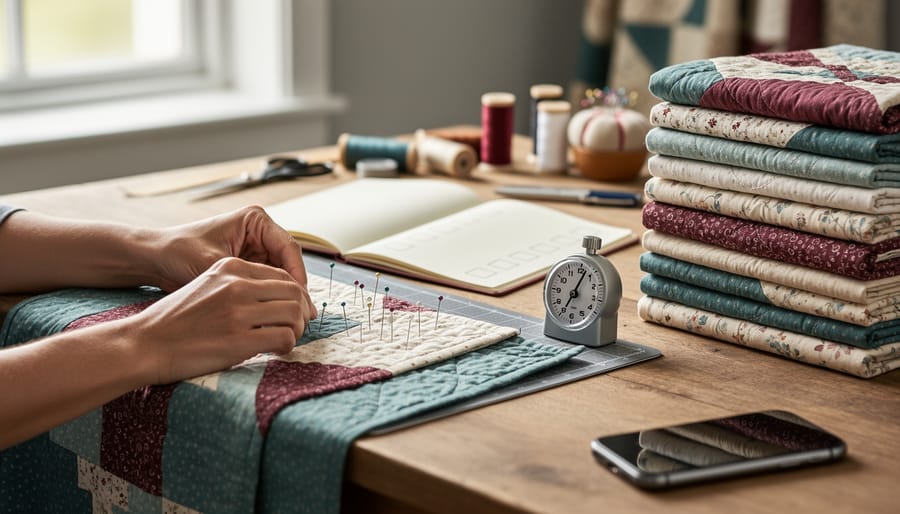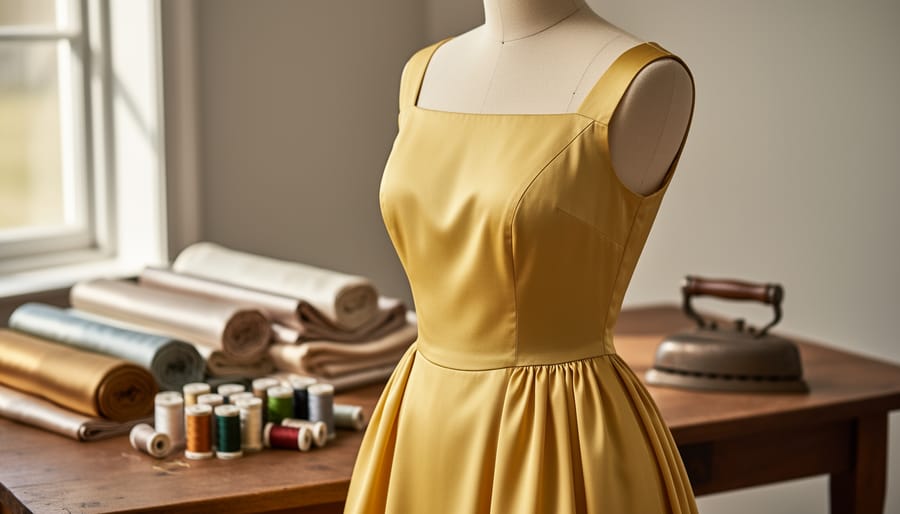
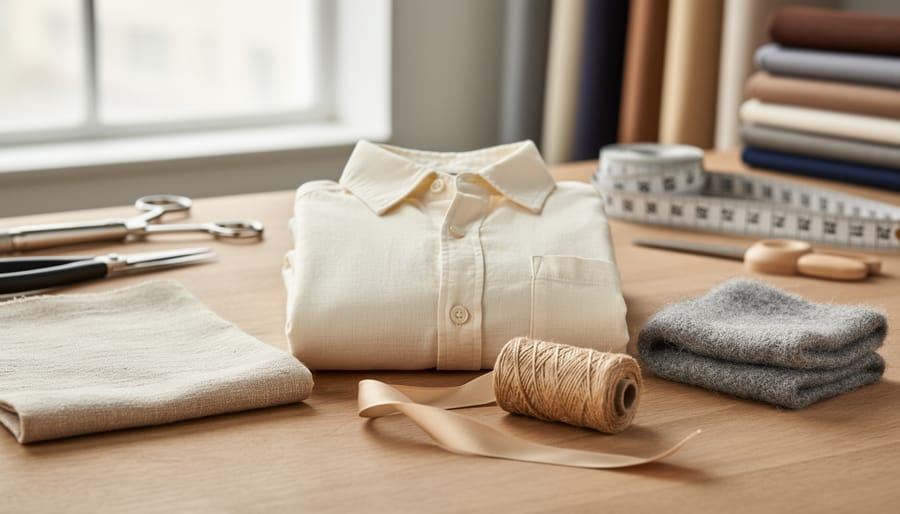
Natural fibers in clothing are textiles derived from plant, animal, or mineral sources that can be spun into yarn and woven or knitted into fabric. Cotton, linen, wool, silk, and hemp are the most common examples, each offering unique properties that make them valuable for sewers and fashion designers who care about quality, comfort, and sustainability.
The natural fiber market is experiencing remarkable growth, projected to reach $94.6 billion by 2030, up from $76.5 billion in 2026. This isn’t just industry jargon. It reflects a meaningful shift in how we think about the clothes we make and wear. More people are questioning the environmental cost of synthetic fabrics and turning to materials that breathe, biodegrade, and come from renewable sources.
I made my first cotton blouse from a bolt of Quebec-grown organic cotton three years ago, and the difference was immediate. The fabric felt alive in my hands, softer than anything I’d worked with before, and it moved with my body in a way that polyester never could. That experience changed how I approach every sewing project. Natural fibers aren’t just a trend or a marketing label. They represent a return to materials humans have trusted for thousands of years, now paired with modern understanding of sustainability and ethical sourcing.
This guide will walk you through what natural fibers actually are, how they’re processed from raw material to finished fabric, the main types you’ll encounter as a sewer, and where to find quality natural fiber fabrics in Canada. Whether you’re a student building your first fabric collection or an experienced maker looking to align your projects with your values, understanding these materials gives you both creative freedom and the satisfaction of making informed choices. The sustainable fashion market alone is expected to nearly double from $10.1 billion in 2026 to $19.9 billion by 2033, proving that this shift toward natural materials is more than a passing interest.
What Natural Fiber Fabrics for Apparel Really Mean
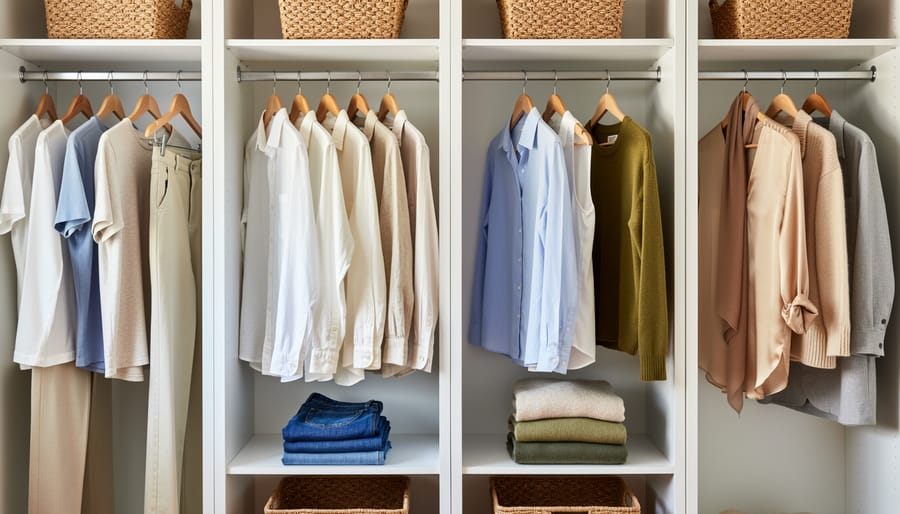
Natural fiber fabrics are textiles made from materials that grow in nature rather than being manufactured in a lab from petroleum-based chemicals. The definition of natural fibers covers three main categories: plant fibers like cotton, linen, and hemp that come from crops; animal fibers such as wool and silk harvested from livestock or insects; and mineral fibers like asbestos, though the latter is rarely used in modern apparel for safety reasons. When you hold a piece of cotton flannel or a linen dress in your hands, you’re working with materials that existed in some form in a field or on a sheep’s back, not extruded through industrial machinery as polyester or nylon would be.
The distinction matters because synthetic fabrics shed microplastics, resist decomposition, and carry a heavier environmental footprint from production to disposal. Natural fibers, by contrast, break down over time and generally require less energy-intensive processing, though it’s worth noting that conventional cotton farming has its own sustainability challenges around water use and pesticides. What sets natural fibers apart in the current fashion landscape is their connection to the broader sustainable fashion movement, which is experiencing significant momentum. The sustainable fashion market is growing at a 10.1% compound annual growth rate and is expected to cross $19.8 billion by 2033, up from $10.1 billion in 2026.
This growth reflects a real shift in how consumers think about their wardrobes. People are asking where their clothes come from, what they’re made of, and what happens when those garments wear out. Natural fiber fabrics answer those questions more transparently than synthetics. The natural fiber market itself is projected to grow from $76.5 billion in 2026 to $94.6 billion by 2030, which tells you this isn’t a passing trend but a fundamental realignment in how we approach clothing. For sewists and garment makers, understanding these materials means you can make informed choices about the fabrics you bring into your projects and ultimately into your closet.
The Main Types of Natural Fibers Used in Clothing
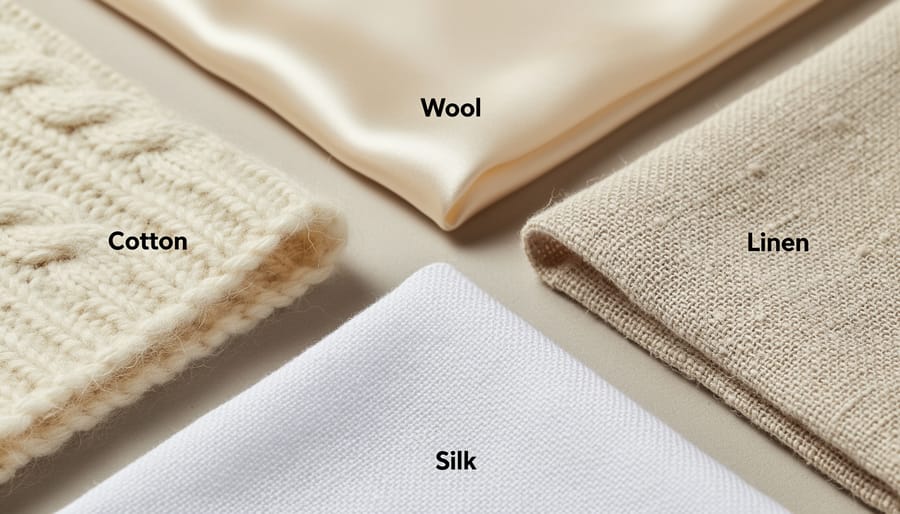
Plant-Based Fibers
Cotton grows in warm climates, taking around 150 to 180 days from planting to harvest. The bolls open to reveal fluffy fibers that are spun into yarn, a process that’s been refined over thousands of years. When I first sewed with organic cotton, I was struck by how soft it felt straight off the bolt, with none of that chemical stiffness you sometimes get with conventionally treated fabrics. Cotton is wonderfully versatile: it breathes well, handles dye beautifully, and works for everything from summer tees to quilted jackets. The downside? It wrinkles easily and can shrink if you’re not careful with heat.
Linen comes from the flax plant, which thrives in cooler regions and requires far less water than cotton. The stalks are retted (soaked to break down the plant material), then processed to extract the long, strong fibers. I love sewing with linen for warm-weather garments, it has this crisp hand that softens with every wash, and it wicks moisture away from your skin like nothing else. It does wrinkle spectacularly, but that rumpled texture is part of its charm. Linen also gets better with age, developing a lovely patina that synthetic fabrics just can’t replicate.
Hemp is the most sustainable of the three, growing quickly with minimal pesticides or fertilizer. The fibers are extracted through a similar retting process to linen. Hemp fabric has a slightly coarser texture than cotton or linen when new, but it softens beautifully over time and becomes incredibly durable. I’ve used it for structured pieces like aprons and tote bags where I need strength without weight. It blends well with other fibers, too, which makes it a flexible choice for sewists experimenting with natural materials.
Animal-Based Fibers
Animal-based fibers occupy a special place in my sewing room, quite literally, I keep my wool and silk stash separate because they demand a different kind of respect than their plant-based cousins. These protein fibers come from living creatures, which shapes both their remarkable properties and the ethical questions we need to consider.
Wool remains the workhorse of animal fibers. Sheep’s wool regulates temperature beautifully, wicking moisture away from your skin while maintaining warmth even when damp. I’ve sewn wool coats that my clients wear year after year, the fibers bouncing back from compression and resisting wrinkles in ways cotton never could. Merino wool offers exceptional softness, while coarser breeds provide durability for outerwear. The lanolin naturally present in wool gives it antimicrobial properties, meaning wool garments need washing far less frequently than synthetic alternatives.
Silk brings luxury and drape to garments. Produced by silkworms, it’s incredibly strong for its weight and has a natural sheen that elevates even simple designs. I remember cutting into my first length of silk charmeuse, terrifying and thrilling in equal measure. It breathes well, resists odors, and feels cool against skin in summer while providing surprising warmth in winter.
Other protein fibers worth knowing include alpaca (softer and warmer than sheep’s wool), cashmere (from goat undercoats), and mohair (lustrous and resilient). Each has distinct characteristics that suit different projects.
Care requirements center on gentle handling. Hand washing or dry cleaning preserves the fibers, and you should never wring or twist wet protein fabrics. They’re prone to felting and shrinkage with agitation and heat.
Ethical sourcing matters here more than anywhere else. I seek suppliers who provide transparency about animal welfare, mulesing-free wool certifications, peace silk (where the moth emerges before harvesting), and verified humane treatment standards. The growing consumer focus on sustainable and environmentally friendly options extends to how these fibers reach our hands.
How Natural Fiber Clothing Works in Your Wardrobe
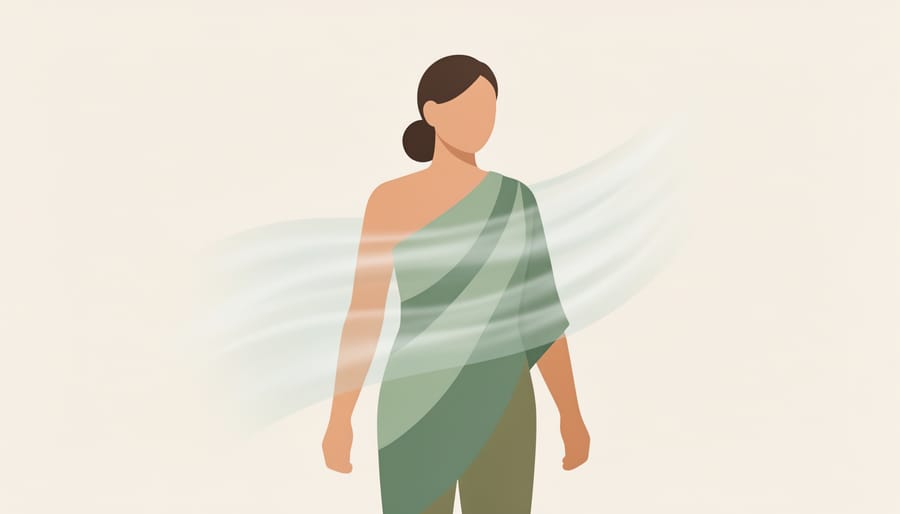
When I switched from synthetic activewear to a linen tank top for summer sewing sessions, I discovered something remarkable: even after hours bent over the machine on a humid August afternoon, I felt noticeably cooler and less clammy. That single experience taught me more about how natural fibers work than any fabric label ever could.
Natural fibers have structural properties that make them genuinely different to wear, not just different to purchase. These materials interact with your body and environment in ways that synthetic alternatives struggle to replicate, which explains why they have remained wardrobe staples for thousands of years despite the proliferation of cheaper manufactured options.
The core functional benefits show up in daily life:
- Breathability, natural fibers allow air circulation and heat escape, preventing that trapped, overheated feeling common with polyester
- Moisture management, cotton and linen absorb perspiration away from skin, while wool wicks moisture while staying warm
- Temperature regulation, wool insulates when cold but releases heat when warm, adapting to your body’s needs
- Durability, properly cared for natural fiber garments often outlast synthetics, with linen and wool growing softer over years of wear
- Biodegradability, these materials return to the earth at end of life rather than shedding microplastics or sitting in landfills for centuries
These properties translate directly to how clothes feel across seasons. The cotton sundress that keeps you comfortable in July heat works because the fibers absorb moisture and allow evaporation. The wool sweater I sew a wool coat from regulates temperature in fluctuating fall weather, warm enough for morning chill but breathable enough that I don’t overheat by afternoon. Hemp blend trousers resist wrinkling through a full day while staying comfortable against skin.
I have noticed my handmade linen shirts actually improve with age, becoming softer and more comfortable after dozens of washes, while synthetic blends tend to pill, fade, or develop that permanent sweaty smell that no amount of washing removes. Natural fibers also take dye beautifully and hold color longer, which matters when you have invested time in creating a garment.
The moisture-wicking property deserves special mention for anyone who sews their own activewear or everyday basics. Wool can absorb up to thirty percent of its weight in moisture before feeling wet, which is why merino base layers work so well for winter activities. Cotton absorbs readily but dries more slowly, making it ideal for towels and casual summer wear but less suitable for intense workouts.
Where Natural Fiber Clothing Fits Into Modern Fashion
Natural fibers have carved out space across nearly every corner of modern wardrobes, and the range is wider than you might expect. I’ve sewn cotton tees and linen button-downs that became everyday staples, but I’ve also worked with hemp canvas for structured jackets and merino wool for base layers that perform in winter hiking. The versatility is genuine, natural fibers aren’t relegated to a niche aesthetic or a single garment category.
For everyday basics, cotton and linen dominate. T-shirts, tanks, casual dresses, and summer trousers in these fibers feel comfortable and look clean after years of wear. I’ve found that a well-made linen shirt gets softer with every wash, and cotton jersey remains a go-to for reliable, breathable layering pieces. These are the workhorses of a natural fiber wardrobe.
Activewear is where I see the most interesting shifts. Merino wool base layers regulate temperature without the clammy feel of synthetics, and bamboo-derived rayon blends (though semi-synthetic in processing) offer stretch and moisture management for yoga and running gear. Hemp blends are showing up in trail pants and lightweight windbreakers, bringing durability and a lower environmental footprint than traditional performance fabrics.
Formal wear still leans heavily on silk and fine wool. I’ve tailored wool suiting that drapes beautifully and breathes better than polyester blends, and silk charmeuse makes occasion dresses that move with the body. These fibers elevate garments in ways synthetics struggle to replicate.
The consumer shift is real and measurable. With the sustainable fashion market growing at 10.1% annually and crossing $19.8 billion by 2033, people are voting with their wallets for materials that align with their values. When I’m choosing fabric for a project now, I consider not just how it sews and wears, but also where it came from and what happens when the garment’s life ends. That calculation shapes both my purchasing and my pattern selection, and I’m seeing the same thought process in the sewing community around me.
Sourcing Natural Fiber Fabrics in Canada
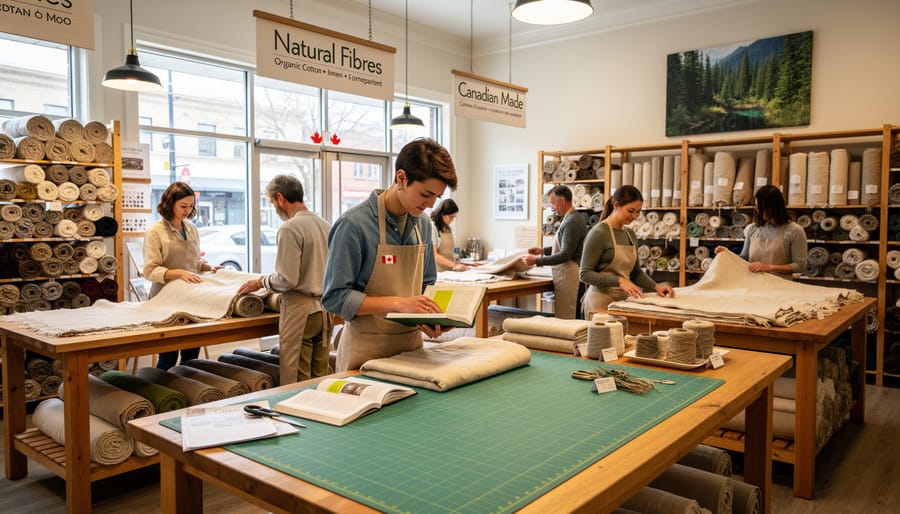
Finding quality natural fiber fabrics in Canada takes a bit of detective work, but it’s become much easier as more sewists prioritize sustainable materials. I’ve spent years building relationships with suppliers across the country, and I’ve learned that the best sources often aren’t the big chain stores.
Start with independent fabric shops in your area. These small businesses typically carry higher-quality natural fibers and can answer detailed questions about fiber content, weaving, and finishing processes. The owners are often sewists themselves and can steer you toward reputable mills. If you’re new to sourcing, my guide on Where to buy fabric in Canada breaks down regional options by province.
Online resources have expanded considerably, especially for those outside major cities. Look for Canadian retailers specializing in organic cotton, linen, and hemp fabrics. Many now stock deadstock natural fibers too, I’ve found incredible Italian linen and Japanese cotton through reclaimed fabric resources that would otherwise go to waste.
When evaluating quality, examine the hand-feel and drape in person whenever possible. Natural fibers should feel substantial without being stiff. Check for certifications like GOTS (Global Organic Textile Standard) or OEKO-TEX if chemical-free processing matters to you, but don’t dismiss uncertified fabrics from trusted suppliers, certification is expensive, and smaller mills producing excellent natural fibers may not have the budget for it.
Build relationships with your suppliers. Ask about fiber origins, processing methods, and whether they can special-order specific weights or weaves. The best fabric shop owners remember your preferences and will set aside pieces they think you’ll love.
Common Questions About Natural Fibers in Clothing
When I started sewing with natural fibers a few years back, I had so many questions, and I’ve noticed the same curiosity from readers and fellow sewists ever since. Here are the most common questions I get about natural fibers in clothing, along with straight answers drawn from both research and real-world experience.
What are natural fiber fabrics for apparel?
Natural fiber fabrics for apparel are textiles derived from natural sources such as cotton, linen, wool, and hemp, rather than petroleum-based synthetics. They’re grown or harvested from plants, animals, or minerals, then spun and woven into the fabrics we sew and wear.
Why are consumers prioritizing sustainable and environmentally friendly options?
Growing awareness of fashion’s ecological impacts has driven consumers to seek ethically sourced and organic materials. The sustainable fashion market is expanding at a 10.1% annual rate, reflecting a genuine shift in how people think about their wardrobes and the planet.
Are natural fiber garments harder to care for than synthetics?
Not necessarily, most cotton and linen pieces wash easily at home, though wool and silk benefit from gentler handling. I’ve found that once you understand each fiber’s preferences, caring for natural fabrics becomes second nature and rarely more time-consuming than synthetics.
How can beginners start incorporating natural fibers into their sewing?
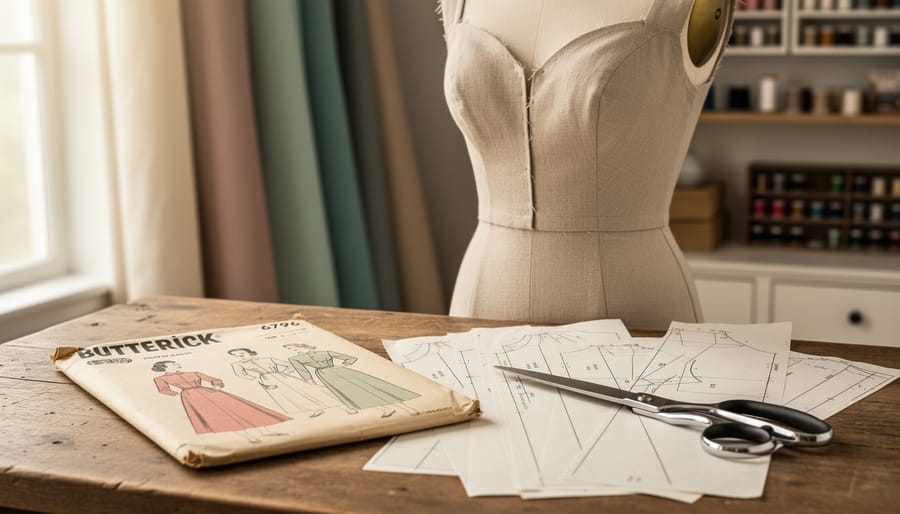
Start with a simple project in cotton or linen, something like our pocket cloth mask tutorial or a straightforward garment like Vintage Patterns: Butterick 6796. These fabrics are forgiving, widely available, and help you get comfortable with how natural fibers handle before moving on to more specialized materials like wool or silk.
Cost is another frequent concern. Yes, quality natural fiber fabrics often carry a higher upfront price than bargain polyester, but they also last longer, feel better against your skin, and hold up to repeated washing without pilling or losing shape. I’d rather invest in three metres of good linen that I’ll love wearing for years than save a few dollars on something that degrades after a season.
Durability surprises a lot of people. Natural fibers, especially linen and hemp, are incredibly strong. I have linen aprons and cotton work shirts that have outlasted every synthetic garment I’ve owned, and they’ve only gotten softer and more comfortable with age. The key is matching the fiber to its use and treating it with basic respect during laundering.
The shift toward natural fibers in clothing isn’t just a passing trend, it’s a fundamental rethinking of how we build our wardrobes. With the natural fiber market projected to grow from $76.5 billion in 2026 to $94.6 billion by 2030, we’re witnessing a meaningful movement driven by sewists, conscious consumers, and anyone who values quality over disposability. These materials offer tangible benefits: they breathe, they age gracefully, and they return to the earth when their life cycle ends.
Whether you’re selecting fabric for your next sewing project or simply choosing what to wear, natural fibers give you control over both craft and impact. I’d love to hear about your own experiences, what’s your favourite natural fiber to work with, and what have you learned from sewing or wearing these materials? Share your stories in the comments below. Every project, every choice, adds to this growing community of makers who understand that what we wear matters.